Horizon Europe · Neurology
CLARITY-PD: Causal Links of Air Pollution, Pesticides and Heavy Metals in Parkinson's Disease
Selected for funding by the European Commission, the Horizon Europe project CLAR…
View
Building healthcare technology since 2018 Schedule a demo with us

Last updated: · By Emoda Software
PERSIST (Patients-centered SurvivorShIp care plan after Cancer treatments based on Big Data and Artificial Intelligence technologies) was a European Union Horizon 2020 research project, carried out from 1 January 2020 to 28 February 2023, that used big data and artificial intelligence to improve the follow-up of people who have completed cancer treatment. It focused on breast and colorectal cancer survivors and ran a clinical study with 166 patients in four European hospitals. Emoda Software led the project's clinical decision support system (CDSS) work package and developed the mHealth app used by patients and the mClinician web and mobile app used by clinicians.
| Project name | Patients-centered SurvivorShIp care plan after Cancer treatments based on Big Data and Artificial Intelligence technologies (PERSIST) |
|---|---|
| Programme | Horizon 2020 – SC1-DTH-01-2019 (Big data and Artificial Intelligence for monitoring health status and quality of life after the cancer treatment) |
| Grant agreement | 875406 |
| Duration | 1 January 2020 – 28 February 2023 (38 months) |
| Consortium | 14 partners from 10 countries |
| Clinical study | 4 hospitals in Latvia, Slovenia, Belgium and Spain; 166 patients |
| Emoda's role | Leader of the decision support system work package (WP5); development of the patient mHealth app and the clinician app (mClinician) |
| Official website | projectpersist.es |
Thanks to advances in cancer treatment, the number of cancer survivors grows every year. Their follow-up covers long-term side effects, recurrence risk, mood, lifestyle and return to work, and healthcare systems are not yet fully prepared for it. PERSIST developed an open and interoperable digital ecosystem to improve the care of cancer survivors.
The ecosystem has three main parts:
The project also aimed to build evidence on using liquid biopsy (circulating tumour cells, CTC) in the follow-up of cancer patients and to advance anonymisation methods that lower the risk of patient re-identification.
A survivorship care plan is a personal follow-up plan that sets out the check-ups, warning signs and lifestyle advice for a cancer patient after treatment ends. PERSIST aimed, for the first time, to update this plan more often and more personally by combining real-time patient data with existing hospital data. The expected results were:
The PERSIST system was tested in a multicentre clinical study run in parallel in Latvia (University of Latvia), Slovenia (University Medical Centre Maribor), Belgium (University Hospital of Liège) and Spain (Galician Health Service, SERGAS). According to the clinical validation report of March 2023:
The report recommends automated daily transfer of laboratory and health record data to the platform, questionnaire reminders for patients, and notes that the system could also benefit areas such as general practice, where many patients are followed.
Emoda led the project's clinical decision support work package (WP5 – Decision support system at the point of care) and developed the patient and clinician apps:
The decision support system consists of a knowledge base, an inference engine, a user interface, data ingestion, risk assessment and an alert mechanism. The knowledge base was built from clinical guidelines (NCCN), scientific literature, expert knowledge and the results of the cohort and patient trajectory analyses carried out in the project. The inference engine assesses the patient's history, questionnaire answers and lifestyle habits against this knowledge and provides three risk services:
When a risk condition occurs, the system sends an alert and a recommendation to the clinician app; the clinician can open the patient profile, plan a check-up or refer the patient to services such as cardiology or psychology.
The Android-based PERSIST mobile app tracks the patient's daily health and works as the main communication channel with the clinician. It reads steps, heart rate and blood pressure from a smart band, collects patient-reported outcomes and experiences (PROMs/PREMs) through questionnaires, a video diary and mood reports, and sends the data to the platform in the FHIR standard.
mClinician is the web and mobile app through which clinicians use the PERSIST system. Clinicians enter patient data in a structured format, saved as FHIR resources, and can view and edit existing records. The app lets them monitor patient activity with the data collected by the mHealth app and see the alerts and recommendations of the decision support system.

The results of PERSIST are relevant for oncology clinics and hospitals setting up survivorship follow-up programmes, healthcare organisations digitalising survivorship care plans, researchers working on breast and colorectal cancer recurrence risk, and health IT teams building clinical decision support or remote patient monitoring systems.
The project brought together 14 partners from 10 countries:
Linked third parties (Spain): iSOFT Sanidad, Fundación Pública Galega de Investigación Biomédica Galicia Sur, Enterprise Solutions Consultoría y Aplicaciones.
All publications and public deliverables of the project are available on the project website and its deliverables page.
Funded by the European Union
This project has received funding from the European Union's Horizon 2020 research and innovation programme under grant agreement No 875406.
PERSIST was a European Union Horizon 2020 research project, carried out in 2020–2023, that aimed to improve the follow-up of people who have completed cancer treatment with big data and artificial intelligence. It developed an open, interoperable ecosystem made up of a Big Data platform, a patient mHealth app and a clinical decision support system.
PERSIST was funded by the European Union's Horizon 2020 research and innovation programme under call SC1-DTH-01-2019 and grant agreement No 875406. The project started on 1 January 2020 and ended on 28 February 2023.
Emoda led the clinical decision support system work package (WP5): requirements, design, inference engine, risk services, integration and evaluation of the system. Emoda also developed the PERSIST mHealth app used by patients and the mClinician web and mobile app used by clinicians.
The system assesses hospital records, data from the mobile app and questionnaire answers against a knowledge base built on clinical guidelines and cohort/trajectory analyses. It provides risk assessments for breast cancer recurrence, colon cancer recurrence and cardiovascular disease, and sends alerts and recommendations to the clinician app when a risk occurs.
The study was run in four hospitals in Latvia, Slovenia, Belgium and Spain. According to the clinical validation report of March 2023, 166 patients took part: 85 with breast cancer and 81 with colorectal cancer, with a mean age of 55.
A survivorship care plan is a personal follow-up plan for a cancer patient after treatment ends, covering check-ups, warning signs, possible long-term side effects and lifestyle advice. PERSIST aimed to update this plan more often and more personally with real-time patient data.
The Android app reads steps, heart rate and blood pressure from a smart band, collects patient-reported outcomes through questionnaires, a video diary and mood reports, and sends the data to the Big Data platform in the FHIR standard.
Selected for funding by the European Commission, the Horizon Europe project CLAR…
View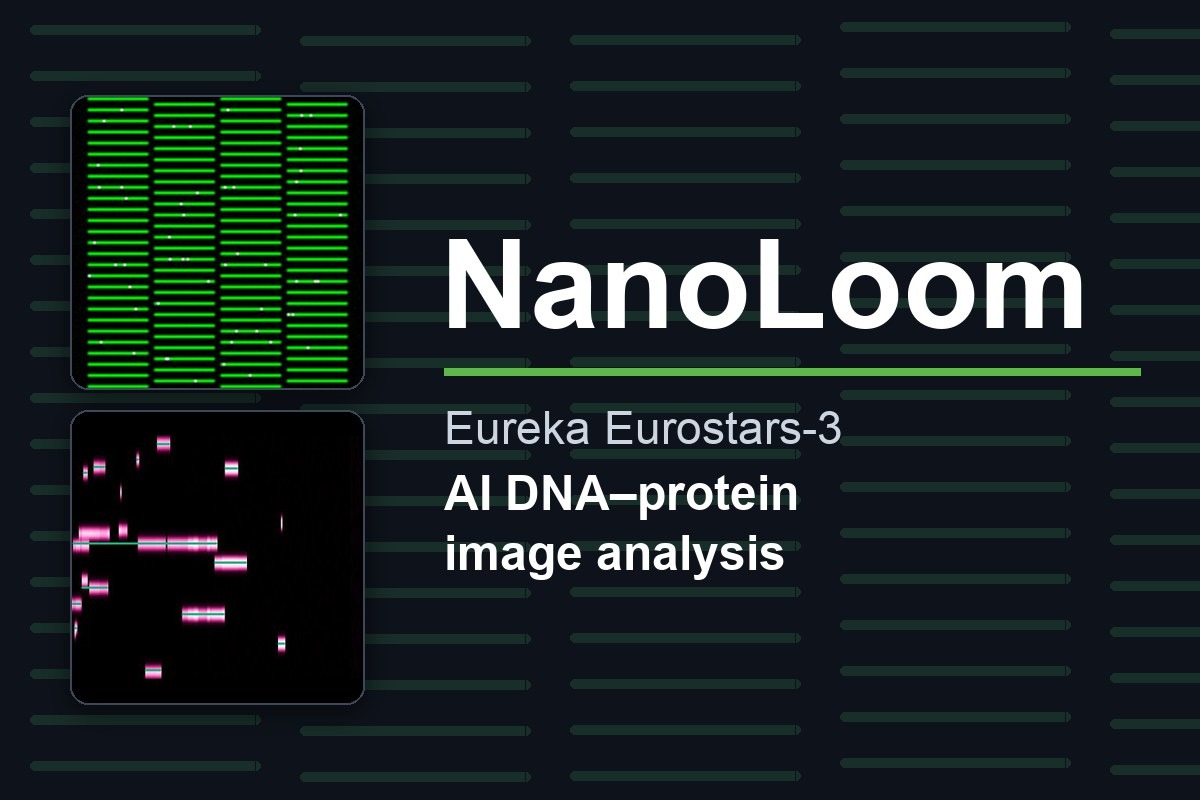
In the Eureka Eurostars-3 project NanoLoom, Emoda leads the development of the A…
View
Emoda is the only participant from Türkiye in the Horizon Europe LUCIA project,…
View