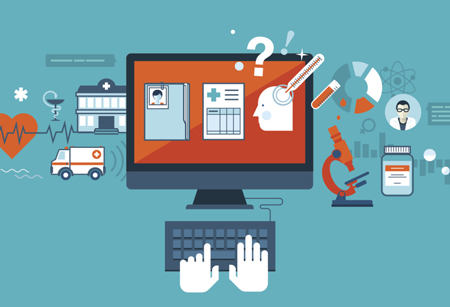

A clinical decision support system (CDSS) is software that helps physicians and healthcare professionals make decisions during diagnosis, treatment and patient follow-up. It compares a patient's data (diagnoses, lab results, medications, vital signs) with clinical guidelines and scientific evidence, and presents alerts, reminders or recommendations to the clinician. The physician always makes the decision; a CDSS helps make it faster, more consistent and with fewer errors.
How does a CDSS work?
A CDSS usually has three parts:
- Data input: patient data from the hospital information system (HIS), laboratory, imaging or wearable devices.
- Knowledge base or model: rules derived from clinical guidelines, or AI models trained on historical data.
- Output: an alert, risk score, diagnosis/treatment suggestion or reminder shown inside the clinician's workflow.
A good CDSS is embedded in the screens the clinician already uses and shows each recommendation with its rationale and source, so the clinician can see why it was suggested.
Types of CDSS
- Knowledge-based (rule-based) systems: apply “if … then …” rules from clinical guidelines, such as drug–drug interaction alerts or guideline-based risk scores.
- AI and machine-learning systems: learn patterns from historical patient data for risk prediction, early warning or image analysis.
- Hybrid systems: combine rules and AI models.
Use cases in hospitals and clinics
Examples from projects developed by Emoda Software:
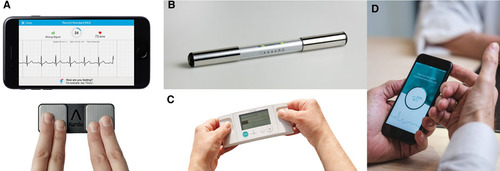
- emoCardio: monitors cardiovascular patients in real time with a smart band, patient and clinician mobile apps and a web app; data is sent to the CDSS and the physician is notified when there is an alert. It was developed based on the European Society of Cardiology (ESC) atrial fibrillation guideline.
- Decision Support System for Acute Poisonings: suggests possible diagnosis and treatment options according to developing symptoms in drug poisonings, using rules built from diagnosis and treatment guidelines (TÜBİTAK 1507 SME R&D Start-up Support Programme).
- PERSIST (Horizon 2020): includes modules for a decision support system that uses predictive models derived from anonymised data of breast and colon cancer patients.
- Emoda Viewer: produces AI-generated medical summaries from HIS data and checks discharge summaries against reimbursement rules before billing.
Benefits of CDSS
- Helps clinicians make faster and more consistent decisions in complex cases.
- Evaluates large amounts of data at once and highlights risks that might be missed.
- Can reduce preventable errors such as drug interactions, allergies and dosing errors.
- Stays current as rules are updated when guidelines change.
- Can also simplify administrative processes such as resource use, workflows and billing.
One study showing the impact: in a clinical trial across 16 hospitals, 30-day mortality fell from 8.6% to 4.8% after an electronic pneumonia decision support tool was deployed in emergency departments (Dean et al., American Journal of Respiratory and Critical Care Medicine, 2022; our news).
Limitations and what to watch for
- Alert fatigue: too many or irrelevant alerts lead clinicians to ignore them; alerts must be selective and prioritised.
- Data quality: missing or incorrect data can lead to wrong recommendations.
- Workflow fit: systems disconnected from the clinician's screen go unused; integration is essential.
- The final decision is the physician's: a CDSS recommends; clinical responsibility stays with the physician.
Data security and privacy
A CDSS processes sensitive health data, so where data is processed, who can access it and personal data protection (KVKK in Turkey, GDPR in Europe) must be part of the design from the start. For example, in Emoda Viewer patient identity and physician names are masked on the server before discharge-summary analysis.
How we develop CDSS
We analyse the need together with domain experts and future users, design rules and models with academic advisors, and integrate the system into existing HIS and workflows. See our Clinical Decision Support System Development page or contact us.
For methods used in patient data analysis, see What Is Cohort Analysis? and What Is Trajectory Analysis?.
Frequently Asked Questions
What does CDSS stand for?
CDSS stands for Clinical Decision Support System: software that gives physicians and healthcare professionals patient-specific, evidence-based recommendations for diagnosis, treatment and follow-up. In Turkish it is called KKDS.
Does a CDSS make decisions instead of the physician?
No. A CDSS provides alerts, reminders and recommendations; the final decision and clinical responsibility always remain with the physician.
What data does a CDSS use?
Data such as hospital information system (HIS) records, lab results, medication lists, imaging reports and vital signs from wearable devices, combined with rules from clinical guidelines or AI models.
Can a CDSS work with an existing hospital information system?
Yes. A well-designed CDSS integrates with the existing HIS and works inside the screens clinicians already use; the hospital does not need to replace its system.
What is the difference between rule-based and AI-based CDSS?
Rule-based systems apply rules taken from clinical guidelines; AI-based systems learn patterns from historical data. Many modern systems combine both.